Lake Education Series
Understanding Canyon Lake
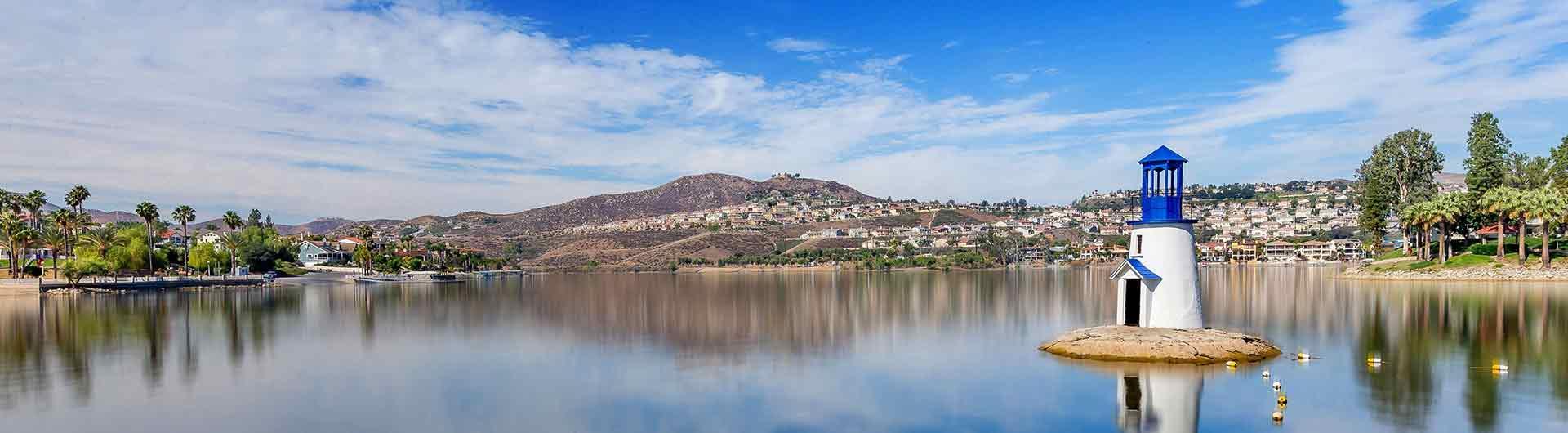
Canyon Lake is more than a scenic escape — it's a living, breathing ecosystem shaped by science, stewardship, and community action. The Lake Education Series, contributed by the Lake Advocacy Committee, offers a clear and accessible look into the environmental challenges facing our lake, from toxic algae and nutrient pollution to watershed dynamics and seasonal changes.
Each article breaks down complex topics into practical insights, helping residents understand how the lake functions, why problems arise, and what we can do to protect it. Whether you're curious about golden algae, wondering how alum treatments work, or looking for simple ways to help from home, this series is your guide to becoming a more informed and empowered lake advocate.
Dive in and discover how every drop, decision, and action connects to the health of Canyon Lake.
The Algae Problem
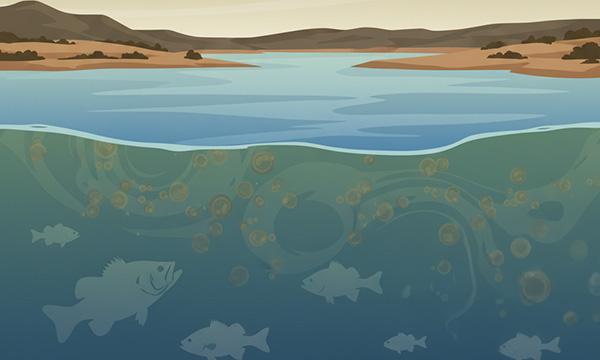
This article introduces the hidden dangers of golden algae (Prymnesium parvum), a microscopic organism responsible for major fish kills in Canyon Lake. It explains how golden algae differ from more familiar green blooms, why they’re so toxic, and how their biology makes them especially resilient. The piece emphasizes the importance of recognizing and managing these invisible threats before they cause irreversible damage.
Nutrients: The Silent Drivers of Algae
Excess nitrogen and phosphorus are the root causes of harmful algal blooms in Canyon Lake. This article explores how everyday sources—from fertilizers and pet waste to upstream agriculture—contribute to nutrient overload. It also highlights the lake’s regulatory framework (TMDL), the role of alum treatments, and how community actions can help reduce nutrient pollution at its source.
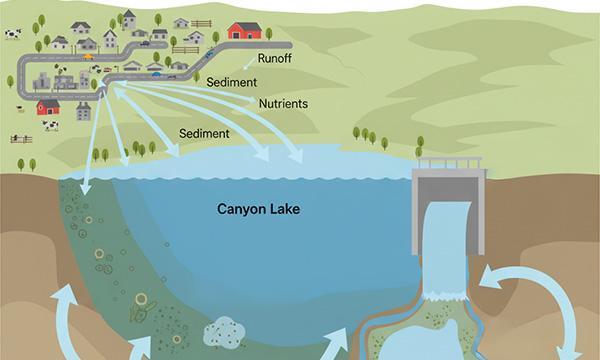
How Canyon Lake Fits in the Watershed
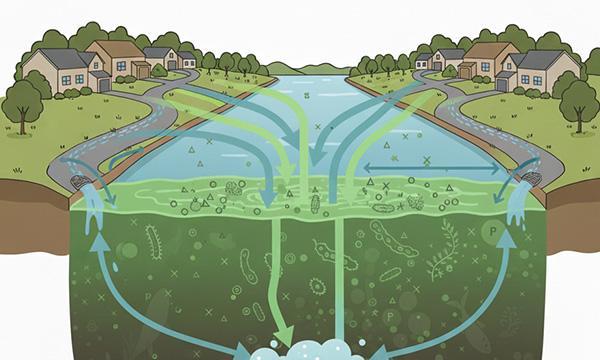
Canyon Lake is more than a local reservoir—it’s a vital checkpoint in the San Jacinto River watershed. This article explains how the lake collects runoff from upstream areas and influences water quality downstream in Lake Elsinore and the Santa Ana River. It underscores the importance of regional cooperation and upstream management to protect Canyon Lake’s health and its role in the broader ecosystem.
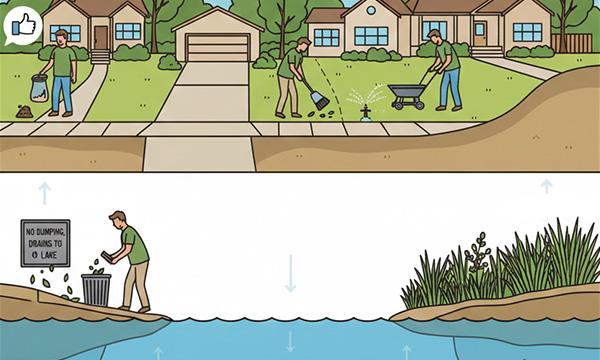
Everyday Actions: What We Can Do at Home
Small changes at home can make a big impact on Canyon Lake’s water quality. This article outlines practical steps residents can take—like reducing fertilizer use, cleaning up pet waste, and keeping storm drains clear—to prevent nutrient pollution. It emphasizes that protecting the lake is a shared responsibility, and that everyday choices matter.
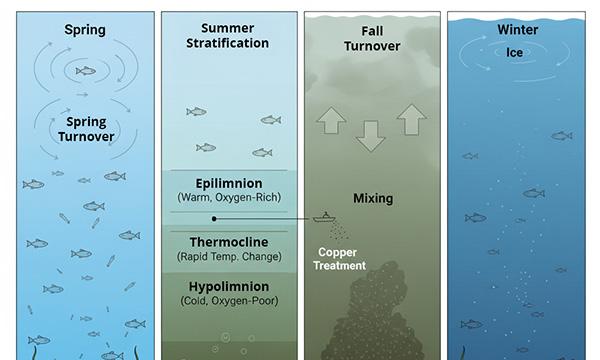
The Science of Lake Stratification
Lake stratification is the seasonal layering of water that affects oxygen levels, nutrient cycling, and algae growth. This article breaks down how stratification works, why it matters for fish and water quality, and how seasonal turnover can trigger algae blooms. It also explains how lake managers respond with targeted treatments to maintain balance during these transitions.
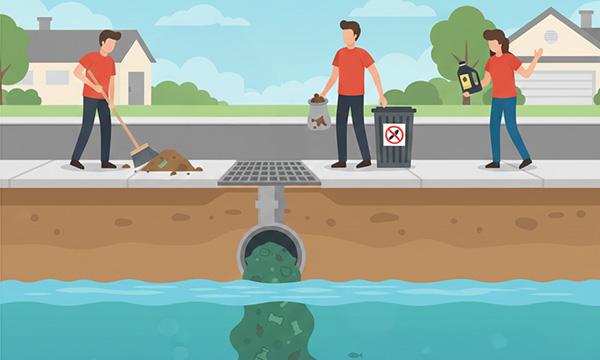
Storm Drains: The Hidden Pipes to the Lake
Storm drains in Canyon Lake are direct pipelines to the water—not connected to any filtration system. This article reveals how everyday runoff from streets, lawns, and driveways flows untreated into the lake, carrying pollutants like fertilizers, pet waste, and chemicals. It emphasizes the importance of keeping storm drains clean and offers practical tips for residents to prevent pollution at the source.
Invasive Species: Friends or Foes?
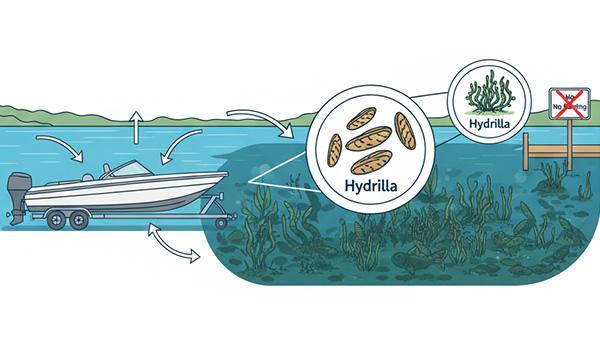
Invasive species pose a serious threat to Canyon Lake’s ecosystem. This article explores how non-native plants and fish disrupt the natural balance, and highlights the emerging danger of golden mussels recently found in nearby reservoirs. It stresses the importance of prevention through boat inspections, responsible recreation, and community awareness to keep these harmful invaders out of the lake.